
الأربعاء، 4 مايو 2011

Ragia Ahmed 20080967

With 4 generations of Apple’s iPhone out in the market (almost 5 generations since iPhone 5 is rumored to be released by September of this year), the smart phone has surely gone a long way, from a memory of 128 MB DRAM to 512 MB, from a 2.0 megapixel camera to a 5.0 megapixel camera, 412 MHz to 1 GHz. There’s no doubt that ever since this line of smart phone came out, they have been on the lead ever since. Let’s take a trip back to memory lane and see iPhone’s journey from square one to iPhone 4, and to the future with the rumored upcoming iPhone 5.

The first generation of iPhone was released on June 29, 2007 with only a 4gb version. Apple initially sold a good 270,000 units, not much when compared to their sales now. People were reported to line up in Apple Stores just to buy the device. The first iPhone’s casing was made of aluminum and plastic. The phone’s input was still a multi-touch screen.

July 11, 2008- Apple finally released the 2nd generation of its smart phone line, the iPhone 3G. It had the same camera resolution as with the first generation, 2.0 megapixels. It didn’t come with a 4 GB memory storage, but a good 16 GB. Instead of a silver metallic back cover, it came in black, glossy plastic. It was sleeker and slimmer and came in black and white. On its first month, Apple sold 3 million units, and people from all social class came to love the iPhone 3G.

The next generation iPhone, iPhone 3GS was announced on June 8, 2009 and was released on the same month, by June 19. The cell phone camera was upgraded to 3.0 megapixels. The CPU was upgraded to 833 MHz. The iPhone 3GS was physically the same with the iPhone 3G, but the processing speed was twice faster.
 The iPhone 4 was released on 2010 and used an A4 processing chip. It has a resolution of 900 x 640 dpi, the highest resolution for any phone and utilizes Apple’s patent Retina Display. iPhone 4 is the first iPhone to have a front camera which people use for video calls using Apple’s patent Face Time. It runs iOS 4 for its operating system and can record HD videos. iPhone 4 was criticized for its lack of substantial changes, including problems with dropping calls.


The iPhone 5 is rumored to be using the ultra fast processor, the A5 chip, which iPad 2 is currently using and a newer operating system, the iOS 5. It will also come with an 8.0 megapixel camera and is reported to have a slide out keyboard. Gossip has it that this smart phone will be slimmer, sleeker and will look more like the iPod Touch 4, with a tear drop shape from top to bottom.

Recent rumors have pointed to the next-generation iPhone hardware launching in the fall instead of the usual summer timeframe. Now, new sources with "direct knowledge" of Apple's supply chain are saying the device should begin manufacturing in late July or early August, in time for a September launch.
Reuters cited three sources with inside knowledge of Apple's plans for the iPhone 5, which agreed that the design will largely be unchanged. The major difference will be a "faster processor"—undoubtedly the A5 processor used in the iPad 2. 
Beyond the promise of a "faster processor," not exactly the most shocking revelation, the sources for Reuters also claimed a September introduction for the updated iPhone. Previous rumors were less precise, merely indicating a later "fall" launch, leading many to conclude Apple would introduce the new iPhone alongside updated iPod touch devices in September—the usual timeframe for iPod updates.
One possible major change not mentioned by Reuters' sources is that the iPhone 5 might use dual-mode Qualcomm baseband chips that are capable of connecting to both GSM/HSPA and CDMA/EVDO networks. The CDMA-compatible iPhone 4 launched earlier this year makes use of such a chip, but the GSM capabilities are disabled. It's further possible that moving the iPhone 5 introduction to the fall will give Apple a chance to use next-generation Qualcomm chips that are also compatible with 4G LTE networks.
Other rumored improvements for the iPhone 5 not discussed in the Reuters report include an 8 megapixel camera and integration of NFC hardware, possibly connected to an iTunes-based mobile payment service.
The latest information we have been hearing about the iPhone 5 is that it will have 2 different versions released. An Apple parts supplier has stated that Apple has been ordering two sets of every component in varying quality. This leads us to believe their will be a Standard version of the iPhone 5, as well as a Pro version with a higher quality design as well as a higher price tag.
Coca-cola company PR campaigns lydia sherif
Cola-Cola celebrated 125 years this year
 celebrating 125 years coca-cola lunched a pr campaign "Give it back" its a Fully Recyclable Racks Significantly Increase Opportunities to Reduce, Reuse and Recycle


The Coca-Cola Company continues to advance its efforts as a global leader in sustainability, it is taking an unusual step by asking U.S. retailers to give back the shelves that hold Coca-Cola products. Really.
Coca-Cola is developing a family of 100 percent recyclable merchandise display racks for use in grocery and convenience stores in the U.S. The first GIVE IT BACK ® racks are free-standing units made of easily recyclable corrugated cardboard and designed to communicate sustainability to shoppers.

supermodel heidi klum joined celeste bottorf, vice president living well to lunch the campaign

throughout the 125 years coca-cola used pr campaigns to get closer to the public in every way possible . all over the world coca-cola customized bottles with different languages and in some occasions bottles with oriental colors and designs


coca-cola also used occasions like christmas to promote itself and show people that just like them cocacola enjoys christmas

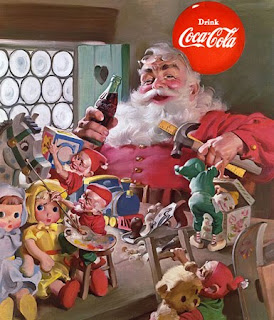
uptill now coca-cola uses christmas to promote inculding last year when they made an advetisment that people loved and it was a part of thier campaign cocacola joy


coca-cola also customized other proudcts in the coca-cola franchise such as lamp-base, radio bottles, pretzl dishes and flashlight bottles

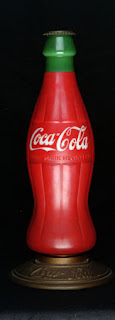


all over the years coca-cola made sure the shape of the bottle rarely changes to tell people that this is the brand they know and love and that it never changed

pr campaigns in coca-cola company never stoped "60 hours campaign"
"recucling campaign"


and even an advertisment using bears that turned into "coca-cola polar bear support fund"


coca-cola recently started "coca-cola" joy campaign that links coca-cola to joy by showing how great life is and that when u drink coca-cola u can see the greatness of little things in life
people might mistake coca-cola`s as an only advertising campaign but its also a sucessful PR campaign . coca-cola even customized bottles as in the campaign theme


The Coca-Cola Company continues to advance its efforts as a global leader in sustainability, it is taking an unusual step by asking U.S. retailers to give back the shelves that hold Coca-Cola products. Really.
Coca-Cola is developing a family of 100 percent recyclable merchandise display racks for use in grocery and convenience stores in the U.S. The first GIVE IT BACK ® racks are free-standing units made of easily recyclable corrugated cardboard and designed to communicate sustainability to shoppers.

supermodel heidi klum joined celeste bottorf, vice president living well to lunch the campaign

throughout the 125 years coca-cola used pr campaigns to get closer to the public in every way possible . all over the world coca-cola customized bottles with different languages and in some occasions bottles with oriental colors and designs


coca-cola also used occasions like christmas to promote itself and show people that just like them cocacola enjoys christmas


uptill now coca-cola uses christmas to promote inculding last year when they made an advetisment that people loved and it was a part of thier campaign cocacola joy


coca-cola also customized other proudcts in the coca-cola franchise such as lamp-base, radio bottles, pretzl dishes and flashlight bottles


all over the years coca-cola made sure the shape of the bottle rarely changes to tell people that this is the brand they know and love and that it never changed

pr campaigns in coca-cola company never stoped "60 hours campaign"
"recucling campaign"


and even an advertisment using bears that turned into "coca-cola polar bear support fund"


coca-cola recently started "coca-cola" joy campaign that links coca-cola to joy by showing how great life is and that when u drink coca-cola u can see the greatness of little things in life
people might mistake coca-cola`s as an only advertising campaign but its also a sucessful PR campaign . coca-cola even customized bottles as in the campaign theme


Abdelrahmn Amr 20090307
Comparing Between Macdonald's and Burger king's PR
What started with one restaurant in Miami in 1954 has grown to more than 11,500 restaurants in 72 countries worldwide. And, like a small child who eats his greens, we're still growing and growing. If you're interested, we'd love to share our past, our present, and where we're heading in the future with you.

If you've come here looking for franchise and career information, recent news about BURGER KING® or simply just our contact details, it's your lucky day. Take a look...
Type Private Industry Restaurants Predecessor Insta-Burger King Founded Insta-Burger King - July 28, 1953 in Jacksonville, Florida
Current company - January 1955 in Miami, Florida Founder(s) Insta-Burger King - Kieth J. Kramer and Matthew Burns
Current company - David Edgerton and James McLamore Headquarters 5505 Blue Lagoon Drive,
Miami-Dade Co, Florida (near Miami) Area served Global Key people John W. Chidsey (Co-chair)
Alexandre Behring (Co-chair)
Ben K. Wells (CFO)[1] Products Fast Food
(hamburgers • chicken • french fries • soft drinks • milkshakes • salads • desserts • breakfast)
Website burgerking.com
Burger King’s Creative PR Tactic
Last week, people discovered wallets all over cities like Chicago and Orlando. These weren’t typical wallets that people lose and others often find. These wallets were purposely left around cities for people to find and keep.
What’s going on here? Well, this was a creative PR tactic that Burger King put into action. The fast food chain dropped wallets in busy places and told people to keep them. When people opened the wallets, they were pleasantly surprised to find money, Burger King gift cards and other random Burger King items.

I’m not a big fan of fast food, but this is a great PR tactic. By doing something different, people will talk about Burger King. This generates buzz for the company. I’ve found multiple blogs written by people who’ve heard about this tactic or found a wallet themselves. This also shows that Burger King is generous because they give away free things.
Isaacs PR Blog discusses three reasons why this PR tactic worked for Burger King. The first reason is because the tactic was unexpected. People drop wallets all the time, but they don’t usually do it on purpose. You also don’t hear much about companies dropping free items around town, especially without making an announcement. The second reason why this tactic worked was because the timing was perfect. Because of the poor economy, people could use a little help. A $5 Burger King gift card and a few bucks could really benefit someone. Finally, this tactic grabbed the audience’s attention faster than any other tactic. People are more likely to notice this tactic than the usual commercial or billboard.
If I found a wallet, my first instinct would be to return it to the owner. So, if somebody told me to keep it, I’d be pretty excited. I wish I could have found one of these wallets and been a part of Burger King’s PR tactic!
Burger King gets in trouble for its latest marketing mistake
Burger King got in trouble again for their recent "Texican" Whopper Campaign. This would not be the first time that Burger King got in trouble both with the media and had Public Relations nightmare with Mexico.
They were previously in trouble for an ad showing parts of Mexico belonging to the United States. The chile topped burger does sound delicious, and with this much scandal around it, it seems that it will probably do very well - especially for those of us with an aversion to bland food. Twitter is abuzz with this scandal thanks to the front page Yahoo ad.

Burger King’s new public relations stunt: “The Burger” costing about $185.00 (U.S.)
By Your Daily Chum
The world’s most succulent Japanese beef is complemented with white truffles, onion tempura prepared in Cristal champagne and Italy’s finest Pata Negra prosciutto
David Kisilevsky, vice president of marketing at the fast food chain, said: “The Burger is an extension of Burger King’s quality burger menu and is aimed at burger aficionados, looking for the ultimate burger taste experience.
“It reflects our ongoing commitment to producing the best quality burgers for a range of different pockets and reinforces our quality credentials.
Example of Good PR Work: Burger King & Jennifer Hudson
by Chris Brown on Friday, April 13, 2007
Thanks to Brand Sizzle for bringing this great example of positive PR to my attention.
When Jennifer Hudson (Dream Girls) mentioned her job at Burger King in response to a question about why she had not thanked American Idol, her remark was picked up by the media. Burger King turned lemons into PR lemonade.
The original question from Simon Cowell (American Idol) following Jennifer’s acceptance speech for Best Supporting Actress from the Oscars for her performance in Dreamgirls:

Jennifer Hudson said American Idol was a ‘stepping stone’ for her. Stepping stone? It was her big opportunity to become noticed and she got noticed and she got Dreamgirls.”"Singers like her deliberately turn against the show that made them successful. The reason (people) come on the show is because all the doors had been slammed in their face.”
In response to the remark made by Simon, Jennifer Hudson said:
“If I’d been any better at my job when I was at Burger King in my middle teens, I wouldn’t be here either, so should I thank them, too?”
And the Burger King spokeperson’s response:
“…In response to Jennifer’s recent comments in which she asked if she should be thanking Burger King, we say thanks, but no thanks are necessary. Burger King Corporation is proud of Jennifer’s success and while we never like to lose employees, in this case, our loss is the entertainment industry’s gain … To further show our support for Jennifer, and make sure she never has to sing for her supper again, Burger King Corporation is giving her a pre-paid BK Crown Card that will be automatically reloaded for life.”
Well done Burger King! A good example of taking a newsy, timely situation and turning it into great PR for one of your marketing programs.
Burger king adds a vegetarian meal

The addition of a vegetarian option to Burger King's sandwich menu last month was greeted with a rousing cheer by a one-time nemesis of the fast-food giant. The People for the Ethical Treatment of Animals, which only last year engaged in a heated (and ultimately successful) effort to get the company to hold its meat suppliers accountable to basic animal welfare standards, had high praise for the "BK Veggie." "The new veggie burger is sure to both raise Burger King's revenues and lower Americans' cholesterol levels," said Bruce Friedrich, PETA's national campaign coordinator. "[It's] a winning proposition for animals, people and the planet. We hope everyone will give the veggie burger a royal welcome."
Before rolling out the red carpet, it's worth taking a closer look at Burger King's new product. Nutritionally, the BK Veggie has little to recommend it. The patty alone is composed of an astonishing 48 ingredients, including such marvels of modern food science as sodium acid pyrophosphate, hydrolyzed corn gluten and "grill flavor." Combined with its nutritionally deficient, refined-flour bun, the sandwich reflects the ingenuity of its engineers more than it does Burger King's concern for the health of its customers. Granted, the BK Veggie is less a health nightmare the company's familiar fatty, cholesterol-laden burgers. It has about half the sodium of a Whopper and even has a smattering of grains and frozen vegetables. And when served without its mayonnaise topping, it contains no animal products, except for a trace amount of dairy.
But the mere absence of meat and cheese from the BK Veggie says nothing about its nutritional value. Froot Loops, Pepsi and Burger King's own French fries, for that matter, are also free of animal products, but few health advocates would seriously recommend consuming these foods as part of a well-balanced meal plan. Promoters of the BK Veggie are doing the public a serious disservice by suggesting that it is anything other than a highly processed, nutritionally deficient junk food that just happens to be meatless.
From an environmental standpoint, Burger King's new menu item is also not much to celebrate. A BK Veggie is produced with ingredients originating in disparate locations: The onions might come from Iowa, the smoke flavoring from New Jersey and the jalapeno powder from Mexico. They are brought to a central manufacturing plant, assembled, packaged and reshipped in their new "value-added" incarnation to Burger King franchises far and wide. This method of producing and distributing food draws heavily on fossil fuels and other nonrenewable resources, a price that our beleaguered ecosphere can ill afford to pay.
True, the ecological footprint of a BK Veggie is appreciably lighter than that left by one of the chain's highly resource-consumptive meat sandwiches. But trumpeting the marginal environmental benefits of a mass-produced industrial pseudo-food--meatless though it may be--does little more than supply the Burger King PR machine with a ready source of greenwash.
Finally, there is the question of animal welfare. Does the addition of the BK Veggie to the Burger King menu stand to improve the plight of the 9 billion animals slaughtered each year for human consumption? In a recent article, vegetarian activist Erik Marcus warned that if the BK Veggie flops, "it might set the growth of the movement [to protect animals] back 10 years." That's an awful lot to hang on the fate of one sandwich. The truth is, Burger King's new entree will do little to keep animals out of the slaughterhouse. What it will do is lend a patina of green respectability to a corporation whose appetite for dead animals is as robust as its desire for greater profits and increased market share. Consumers who believe that purchasing a BK Veggie will encourage the company to scale back its efforts to sell as many meat sandwiches as possible will be sadly disappointed.
Let's not forget that Burger King has been a leading force behind such "enlightened" policies as suburban sprawl, the homogenization and commodification of the global food supply and the backlash against unions and food- and restaurant-industry workers worldwide--points well documented by Eric Schlosser in his best-selling book, "Fast Food Nation." Burger King, McDonald's and the other corporate giants that command the industrial food economy have no vested interest in fundamentally restructuring it.
Some may object that we can't change the system overnight and that people are used to eating fast food, so isn't the availability of a meatless burger in a major chain a step in the right direction? Well, yes, it is a step, but a step toward what, exactly? A nation in which animal-based foods are replaced by plant foods transformed into products bearing little resemblance to actual plants? Our modern food economy was built on the promise of "better eating through technology." We should be working to create a more just, humane and sustainable food system that provides people with produce in its whole, unadulterated form--as nature meant for it to be eaten. Pinning our hopes for a better food system on the fortunes of the Burger King empire's latest junk food amounts to a rather depressing surrender of the imagination.
Macdonalds

Type Public Traded as NYSE: MCD
Dow Jones Industrial Average Component Industry Restaurants Founded May 15, 1940 in San Bernardino, California;
McDonald's Corporation, April 15, 1955 in Des Plaines, Illinois Founder(s) Richard and Maurice McDonald McDonald's restaurant concept;
Ray Kroc, McDonald's Corporation founder. Headquarters Oak Brook, Illinois, U.S. Number of locations 32,000+ worldwide[1] Area served Worldwide Key people James A. Skinner
(Chairman & CEO) Products Fast food
(hamburgers • chicken • french fries • soft drinks • coffee • milkshakes • salads • desserts • breakfast)
McDonald’s Advances Public Relations, Not Public Health

Statement of CSPI Executive Director Michael F. Jacobson
April 15, 2004
The McDonald’s announcement advances public relations more than it does public health. The company’s small steps seem more designed to forestall the big steps that government should be taking to prevent obesity and heart disease.
Government should be pushing big-step solutions like requiring nutrition information on menus and menu boards, getting junk-food ads off kids’ television, and getting junk food out of schools. Government—-Health and Human Services Secretary Tommy Thompson in particular—-should be pushing these big steps instead of playing pattycake with one of the world’s biggest junk-food producers.
Consumers have good reason to be skeptical about the company’s latest promises, since the company broke its promise to reformulate its trans-fat-laden cooking oil. By frying in partially hydrogenated vegetable oil, McDonald’s recklessly promotes heart disease among its consumers. It could prolong the lives of its customers by simply switching to liquid vegetable oil. It should also use lower-fat meat, lower-fat cheese, lower the salt content in many of its products, and continue to expand the number of healthful items on its menu.
I’m glad that McDonald’s says it will promote its salads, and hand out step meters, and so on. Those are all good things. But if McDonald’s were sincere about promoting healthy eating, it would put calorie counts right on menu boards.
McDonald's on the ball in PR battle

McDonald's is upping the ante in its PR battle against critics who link its food with childhood obesity by funding the training of 10,000 community football coaches across the country.
The company has trained 5,100 local club level football coaches across the UK since 2002 and hopes its efforts will have a trickle-down effect in the battle against the negative PR that is engulfing the company.
Unlike Walkers, which promoted a school books campaign, McDonald's prefers a low key approach, advertising on noticeboards about local football teams in its outlets rather than through a large advertising campaign.
"It's a community programme for McDonald's, it's not a marketing programme," said Caron Beith, the head of Leo Sports, a division of Leo Burnett, McDonald's advertising agency.
The coaching programming is one plank in McDonald's PR strategy in the obesity debate.
The company has stepped up advertising its salads and healthy foods to counter negative publicity surrounding the release of the anti-McDonald's documentary, Super Size Me, in which filmmaker Morgan Spurlock damaged his liver after eating nothing but McDonald's food for a month.
On Friday McDonald's launched a new phase in its healthy eating campaign with a newspaper advertisement asking readers, "Don't fancy a Hamburger?" and answering, "Then you have come to the right place." Another advert promoted its salads in press adverts with the caption, "Funny looking fries".
Ms Beith said the community programme had benefits for McDonald's in the obesity PR war. "McDonald's uses the coaching programme to encourage people to be more active," she said.
The coaches are recruited and trained by the Football Association in England, and the relevant associations in Scotland, Wales and Northern Ireland. But children and their parents cannot fail to be aware that McDonald's funds them. The coaches wear tracksuits with McDonald's logos and use 16 footballs supplied in two kit bags that are branded with the McDonald's logo.
"When Ray Kroc started McDonald's, being a part of the community was part of his ethos," Ms Beith said.
The company is on track to achieve its target of training 10,000 coaches by 2006. It has a long-standing history in sponsoring grassroots football in Britain. By the end of 2004, it will have invested £21.2m such programmes since 1995.
To date 400 McDonald's staff have become coaches and police in Cardiff have used the programme to build links with young people in deprived areas.
When the programme ends in two years the FA will have trained 8,000 coaches in England. Scotland, Wales and Northern Ireland football associations will train 2000 coaches.
The programme has generated good PR for the brand. In January pop singer Justin Timberlake, who sings the global McDonald's jingle I'm Lovin' It, dropped in on Berryhill Primary School in Scotland with Kenny Dalglish, the head of McDonald's Scottish football, for a coaching session.
McDonald's new ads: Would you like some facts with that?
The new packaging features a map of New Zealand and information about ingredients.
McDonald's is rolling out the next phase of its myth-busting Take a Closer Look campaign with new packaging from the middle of next month.
The Big Mac packaging, which will feature a map of New Zealand and nutritional information, aims to show the company's commitment to local ingredients.
It's a departure from the red and yellow packaging seen around the globe.
It will have labelling showing how much of the ideal daily intake of energy, protein, saturated fat, carbohydrates, sugar and sodium the product contains.
Public scepticism forced McDonald's to launch a $3.5 million advertising campaign last month to tackle myths about its food.
Among the stories it aims to dispel through TV commercials, a new website and question-and-answer sessions is the rumour it puts pig fat in its shakes.
It also is spreading the message that the company's hamburger patties are made from 100 per cent beef and many of its ingredients are brands commonly available in supermarkets.
McDonald's spent around $20 million in the year to June on advertising, according to Nielsen Media, making it one of the country's top 20 advertisers.
Auckland University of Technology senior advertising lecturer Dave Bibby said the campaign "lacks the sparkle" of the company's past advertising and was "overtly defensive".
One of the rules of advertising was to accentuate the positive and eliminate the negative - but the Take a Closer Look scheme seemed to dwell on the negative. He said the launch of its salads menu with ads featuring Sarah Ulmer was a better strategy than "trying to convince the doubters, who are probably not going to be convinced anyway".
Obesity Action Coalition executive director Celia Murphy, a former dietitian, said the advertising campaign did nothing to change the problem of people who ate too much of the company's products.
"So what if their meat is 100 per cent beef - they are still using advertising tactics that we don't approve of," she said. "What they are aiming to do, of course, is reassure people that this is a marvellous place for them to eat. It doesn't change anything about McDonald's."
McDonald's Restaurants NZ managing director Grainne Troute said the ads aimed to correct damaging and "ludicrous" myths by presenting facts.
"If people don't trust your brand, then you have barriers around visiting you," she said. "What we are trying to do is remove those barriers where they have no basis, so that people feel more comfortable about coming to McDonald's - and coming to McDonald's more often."
She said the rumours were due to an "anti-sentiment" about the company - and added that McDonald's shakes did not contain pig fat and never had. "It's not true. Sometimes I will facetiously answer that question by saying 'why would we take out perfectly good dairy fat and put in pig fat?'
"It's one of those ludicrous things that you wonder how it gets such traction."
McDonald's will invite the public into its kitchens for a behind the scenes look later this year.
McDonald's one-day hiring blitz seen as PR move
McDonald's to hire 50,000
Mon, Apr 4 2011

LOS ANGELES (Reuters) - Fast-food chain McDonald's Corp, trying to grab positive headlines in an economic recovery still struggling to create living-wage jobs, announced on Monday that it would do all of its spring hiring in one fell swoop.
The world's biggest hamburger chain -- which for years has wanted to stop the use of "McJob" as shorthand for low-wage, dead-end work -- said it plans to hire up to 50,000 new U.S. workers on April 19. The jobs range from restaurant crew to managers.
Janney Capital Markets analyst Mark Kalinowski told Reuters that the announcement "certainly seems like a way to attract some favorable publicity around something it was more or less going to do anyway."
McDonald's said the hiring blitz would increase its U.S. workforce by 7.7 percent to 700,000 -- which is no different from prior summer staff increases.
"Our total hires are similar to past years, but the goal of hiring 50,000 people in one day across the U.S. is unique," McDonald's spokeswoman Ashlee Yingling told Reuters.
Oak Brook, Illinois-based McDonald's said in a statement that its April hiring event is an opportunity to highlight that "a McJob is one with career growth and endless possibilities."
Many of McDonald's top executives and franchisees worked their way up the company ranks, the spokeswoman pointed out.
McDonald's hourly restaurant workers often make more than $8 per hour, the company spokeswoman said. That is above minimum wage but comes to just $16,640 annually for a person working 40 hours a week with no time off. The federal poverty cut-off for an individual is $10,890.
The new hires could nudge up April employment numbers but a job paying about $320 a week -- 40 hours at $8 an hour -- would offer only slight relief to workers whose unemployment benefits are running out or who want to do more than eke out a living.
The average unemployment benefit was about $300 per week in early 2010, according to the Center on Budget and Policy Priorities. The goal of the unemployment benefits program is to provide people with about half their normal wage.
There are some 14,000 McDonald's restaurants in the United States. Ninety percent of them are run by franchisees, and what they pay their workers varies by ownership.
McDonald's February sales at its U.S. restaurants open at least 13 months rose 2.7 percent from a year earlier.
U.S. employment grew firmly for a second straight month in March and the jobless rate hit a two-year low of 8.8 percent, underscoring a decisive shift in the labor market that should help to underpin the recovery.
Income for the top-earning Americans has risen sharply since the 1980s but the loss of well-paying manufacturing jobs has led to stagnation for everyone else.
How to have "Good PR"
What is good PR?

1. Good PR is telling the client what they need to hear instead of what they want to hear. Good PR recognizes that the best “PR strategy” needs to be followed-up with the client’s good products/services or else it’s all a vain and wasted effort that harms everyone’s reputation.
2. Good PR is not just about the over-glorified launch. Good PR helps build and sustain a groundswell of brand support — incrementally changing consumer behaviors via a steady stream of relevant and candid communication to both “media” and “consumers.”
3. Good PR celebrates the client’s customers in an inclusive, non-exploitive way. And, good PR welcomes the input of “neutrals” and especially “critics,” and adapts strategy accordingly.
4. Good PR is proactive in idea generation and responsive in a crisis. Good PR finds the balance.
5. Good PR is measurable. (And yet also hard to measure, since most clients want to measure different things.)
6. Good PR leverages pre-existing relationships with influential people — relationships built on trust and credibility earned over years of service.
7. Good PR doesn’t need to know Larry Ellison or Kevin Rose or anyone in particular in the media, either. Even though such relationships can come in handy, good PR almost always “gets ink” because a good story has been well-told to the right people.
These “7 Elements of Good PR” may seem simplistic and high-falutin’, yet they sum up 17 years’ worth of hard lessons in this industry. PR is hard work, strategic work, underpromoted and infinitely interesting work — hard to describe or appreciate until you’re in the trenches.
CIC conducted a campaign to support the Egyptian tourism

Dina Ghonaim
CIC conducted a campaign to support the Egyptian tourism believing in our role in protecting the homeland and help its progress and belief in the importance of tourism as a factor for development in Egypt.
the Campaign will be organized in two phases, the first phase under the name "come back to Egypt" and it will continue for a period of 20 days, it will be organized including many activities in many languages , such as : dawreyyat in different languages ,leh ? 3shan we will send them to TV channels and many international tourism bodies , w Kaman we will produce a3'any w aflam in both Arabic and English.
the second phase will start in June , hane7tag eh ba2a !
we will need shabab masry mn mokhtalaf el a3mar to help us in our campaing , hane7tag drawing tools 3shan nelawwen el arsefa , young graduates of mass communication or anyone who can use different languages frequently or anyone who can use editing programs very well , also young poets can help us ,CIC welcomes any party or organization to help us to conduct a successful campaign w inshallah masr bokra hateb2a a7la
الأربعاء، 27 أبريل 2011
أنواع السياحة في مصر

أنواع السياحة السياحة الدينية:
هى أحد انواع السياحة وتهتم بزيارة الأماكن المقدسة لأنها سياحة تهتم بالجانب الروحى للإنسان فهى مزيج من التأمل الدينى والثقافى.
مثال للسياحة الدينية فى مصر: سيناء وهى أرض زاخرة بالمعالم الدينية الساحرة للديانات الإسلامية والمسيحية منها: جبل موسى، توجد فى أعلى قمته كنيسة صغيرة وجامع. يقوم السائحون بتسلق الجبل ثم 750 درجاً من الصخر بعد منتصف الليل ليروا شروق الشمس.
كذلك دير سانت كاترين ومكوناته السياحية الكنيسة الكبرى والكنيسة العليقة والمسجد الفاطمى وكتبة الدير.
-السياحة العلاجية:
ويتضح التعريف من اسم هذا النوع من السياحة، فالسياحة العلاجية هى سياحة لامتاع النفس والجسد معاً بالعلاج أو هى سياحة العلاج من أمراض الجسد مع الترويح عن النفس وتنقسم إلى قسمين:
أ- السياحة العلاجية:
وتعتمد السياحة العلاجية على استخدام المراكز والمستشفيات الحديثة بمافيها من تجهيزات طبية وكوادر بشرية لديها من الكفاءة تساهم فى علاج الأفراد الذين يلجأون إلى هذه المراكز.
ب- السياحة الاستشفائية:
تعتمد السياحة الاستشفائية على العناصر الطبيعية فى علاج المرضى وشفائهم مثل الينابيع المعدنية والكبريتية والرمال والشمس بغرض الاستشفاء من بعض الأمراض الجلدية والروماتيزمية، وتطلق السياحة العلاجية على كلا النوعين.
أمثلة على السياحة العلاجية: تتضمن عناصر السياحة العلاجية على حمامات المياه المعدنية ومياه البحر والمصحات العلاجية.
- السياحة الاجتماعية:
ويطلق عليها أيضاً السياحة الشعبية أو سياحة الأجازات، والسبب فى تواجد مثل هذا النوع أن السياحة كانت مقتصرة فى القدم على الطبقات الثرية فقط وبما أن التطورات العالمية توجب التغير فى كل ما يوجد من حولنا فكان لابد من هذه التغيرات أن تحدث أيضاً مع السياحة لتواكب التطورات والمستحدثات العالمية لكى تضم السياحة أو تشرك معها الطبقات التى تمثل الغالبية العظمى من المجتمعات ذوى الإمكانيات المحدودة بإعداد رحلات سياحية لهذه الطبقات غير الطبقات الثرية.
وكان أول ظهور للسياحة الاجتماعية فى دول الكتلة الشرقية حيث أعدت للعاملين معسكرات فى مختلف المناطق السياحية لتجديد نشاطهم وقدراتهم النفسية والبدنية على العمل. وأصبحت السياحة الاجتماعية الآن نشطة فى كثير من دول العالم حيث يتم تنظيم الرحلات السياحية الجماعية بأسعار مخفضة وتسهيلات متعددة مثل توفير أماكن الإقامة الرخيصة مثل بيوت الشباب والفنادق ثلاثة نجوم أو الأقل، أو ما يوجد مايسمى بنظام السياحة بالتقسيط الذى يتيح الفرصة لأى فرد بالسفر فى أى وقت على أن يتم تسديد نفقات رحلته على عدة أقساط وهذا متبع فى الولايات المتحدة الأمريكية. كذلك نظام الادخار السياحى حيث يتمكن المدخرون من تخصيص نسبة معينة من دخولهم وإيداعها فى صندوق للادخار من أجل السياحة وتعتبر سويسرا رائدة فى هذا النظام..

- السياحة العلمية:
أو السياحة البحثية وهى التى تشمل دراسات البيئة النباتية والحيوانية (الفلورا والفونا) وكذلك دراسة حركة الطيور وهجراتها العالمية
مثال على ذلك محافظة الفيوم حيث تتميز محميات الفيوم الطبيعية فى بحيرتى قارون ووادى الريان بوجود أنواع من الطيور المهاجرة خاصة خلال فصل الشتاء وتتوافر آنذاك سياحة صيد الطيور.
وأهم أنواع الطيور المهاجرة فى الفيوم (الخضراوى - الكوركى - البجع - الصقور النادرة )
- سياحة السفارى والمغامرات:
وهى تلك السياحة التى تتم عبر الصحارى وتتنوع أنواعها وأهدافها فبعضها يتجه إلى السلاسل الجبلية ومغامرة تسلقها، والبعض الآخر يتجه إلى زيارة الوديان وعيون الماء، وآخرها تلك التى تكون من أجل الصيد البرى فى المناطق المسموح فيها بالصيد.
- سياحة التجوال:
هى من أنواع السياحة المستحدثة وتتمثل فى القيام بجولات منظمة سيراً على الأقدام إلى مناطق نائية تشتهر بجمال مناظرها الطبيعية وتكون الإقامة فى مخيمات فى البر والتعايش مع الطبيعة.
- السياحة الترفيهية:
من أقدم الأنماط السياحية وأكثرها انتشاراً، حيث وصلت نسبة السياحة الدولية إلى 80%. تعتبر دول حوض البحر الأبيض المتوسط من أكثر المناطق اجتذاباً لحركة السياحة الترفيهية لما تتمتع به من مقومات كثيرة كاعتدال المناخ بالإضافة إلى الشواطىء الخلابة والتى تفرعت منها الأنواع الأخرى كالسياحة الرياضية والعلاجية ... وغيرها. وتكون السياحة الترفيهية بغرض الاستمتاع والترفيه عن النفس وليس لغرض آخر ويتم ممارسة الأنواع الأخرى من السياحة معها ويطلق عليها هنا الهوايات مثل صيد السمك والغوص تحت الماء والانزلاق والذهاب إلى المناطق الصحراوية والجبلية والزراعية.
- السياحة الثقافية (السياحة الأثرية والتاريخي(
يهتم بهذا النوع من السياحة شريحة معينة على مستويات مختلفة من الثقافة والتعليم حيث يتم التركيز على زيارة الدول التى تتمتع بمقومات تاريخية وحضارية كثيرة. ويمثل هذا النوع نسبة 10% من حركة السياحة العالمية. ونجد هذا النوع من السياحة متمثل فى الاستمتاع بالحضارات القديمة وأشهرها الحضارة الفرعونية المصرية القديمة والحضارات الإغريقية والرومانية والحضارات الإسلامية والمسيحية على مر التاريخ والعصور.

- السياحة الشاطئية:
تنتشر هذه السياحة فى البلدان التى تتوافر لها مناطق ساحلية جذابة وبها شواطىء رملية ناعمة ومياه صافية خالية من الصخور. وتوجد فى الكثير من بلدان العالم مثل دول حوض البحر المتوسط ودول البحر الكاريبى.
- سياحة الغوص:
وهى سياحة لها علاقة مباشرة بالسياحة الشاطئية فى المناطق الساحلية، ويشترط قيام مثل هذا النوع من السياجة توافر كنوز رائعة بهذه المناطق الساحلية وتوافر مقومات الغوص بها مثل: الشعب المرجانية، الأسماك الملونة، المياه الدافئة طوال العام، يابس ساحر، خلجان ينابيع، حيوانات وطيور ونباتات برية نادرة وطيور أيضاً.
السياحة: لا تأثير لمظاهرات «الغضب» على القطاع السياحه
كتب هشام شوقى
قال أحمد عطية، وكيل وزارة السياحة، رئيس قطاع الفنادق بالوزارة، إن مظاهرات الغضب التى اندلعت يوم الثلاثاء الماضى لم يكن لها تأثير حتى الآن على حجوزات الفنادق، مشيرا إلى أن الشركات لم تقم بإلغاء أى حجوزات حتى الآن، موضحا لـ«المصرى اليوم» أنه لم يحدث إلغاء لأى حجوزات بالفنادق المصرية سواء داخل القاهرة أو المحافظات ذات الطابع السياحى مثل الأقصر وأسوان، وكذلك الغردقة وشرم الشيخ.
وأضاف عطية أن نسبة إشغال الفنادق فى القاهرة لم تتأثر وهى ٦٦.٥%، بينما سجلت الإسكندرية نسبة زيادة فى حجم إشغال الفنادق بلغت ٨% وكذلك العين السخنة ٢٣%، فيما ارتفع معدل الإشغال فى فنادق الأقصر بنسبة ٢% وأسوان ١٧% والفنادق العائمة بنسبة ٢% بالمقارنة بالفترة نفسها من العام الماضى.
فى سياق متصل، قالت زهراء الزمر، عضو غرفة شركات السياحة لـ«المصرى اليوم» إن حركة السياحة الوافدة حتى الآن لم تتأثر بمظاهرات يوم الغضب، لكنه فى المقابل بؤرة اهتمام من جانب شركات السياحة التى تتعامل مع السوق المصرية، حيث إنه من الملاحظ أن الشركات تسأل عن الوضع الحالى، لكنها لم تقم بإلغاء أى رحلات إلى مصر حتى الآن، وقالت الزمر إن هناك تأميناً من جانب وزارة الداخلية للأفواج السياحية وتحديد مسارات لها بعيدا عن أماكن تجمع المتظاهرين، لكنه لم يتم إلغاء أى برامج بها زيارات للمتحف المصرى رغم وجوده فى منطقة تعد منطقة تجمع للمتظاهرين.
الاشتراك في:
الرسائل (Atom)